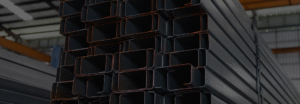
Letters of Credit in Steel Trading, in Plain Terms
A letter of credit replaces trust between buyer and seller with a bank’s promise against documents. Here is how one works and why most problems are paperwork.

A letter of credit replaces trust between buyer and seller with a bank’s promise against documents. Here is how one works and why most problems are paperwork.
Steel prices are driven by raw materials, energy, freight, currency, demand and policy. Here is how each one feeds through, and why two quotes can differ so widely.

What actually happens between placing a steel order and the material arriving on site, stage by stage, and where the delays usually come from.
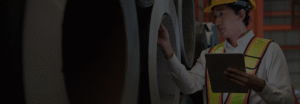
An independent inspector is not a guarantee that steel is good. Here is what a pre-shipment inspection genuinely covers, and what it does not.
The mill test certificate is the document that proves what you actually bought. Here is what is on it, what the EN 10204 types mean, and what to check.

Incoterms decide who arranges transport, who carries the cost and where risk passes. Here is what each of the four most common steel terms actually changes.

Steel is one of the most volatile commodities in the world. Prices shift due to raw material costs, demand cycles, tariffs, currency
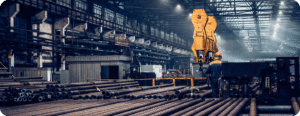
Steel is one of the most widely used materials on Earth, but few outside the industry understand what it actually takes to
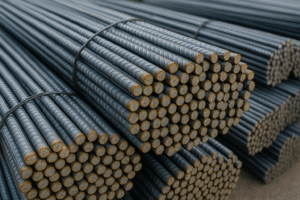
Reinforcing bar—rebar—is the backbone of UK construction. It holds concrete in tension, forms the skeleton of every slab and column, and is